April 24, 2026
Strong buildings depend on systems that balance resilience, function, and long-term value. Roofing plays a major role in that balance because it protects the structure, supports energy performance, and influences how well a property handles changing weather conditions over time. For many commercial properties, flat roofing offers practical advantages that go far beyond appearance alone. Its clean profile, accessible surface, and efficient use of space make it a strong option for owners who want dependable protection and thoughtful building performance. When installed with care and maintained consistently, a flat roof can contribute to durability, support easier upkeep, and complement modern design goals without sacrificing structural reliability.
Improving Long-Term Structural Performance
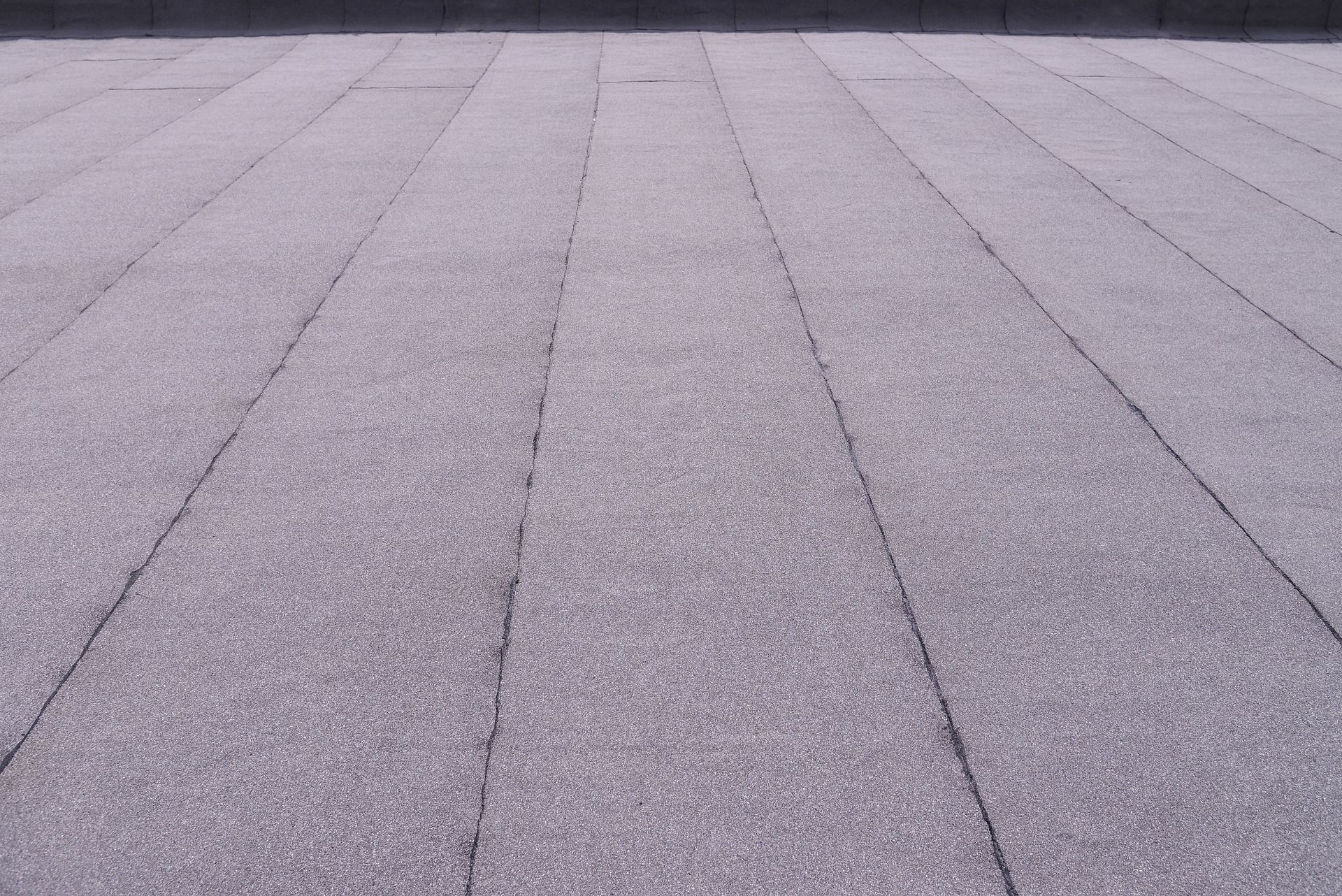
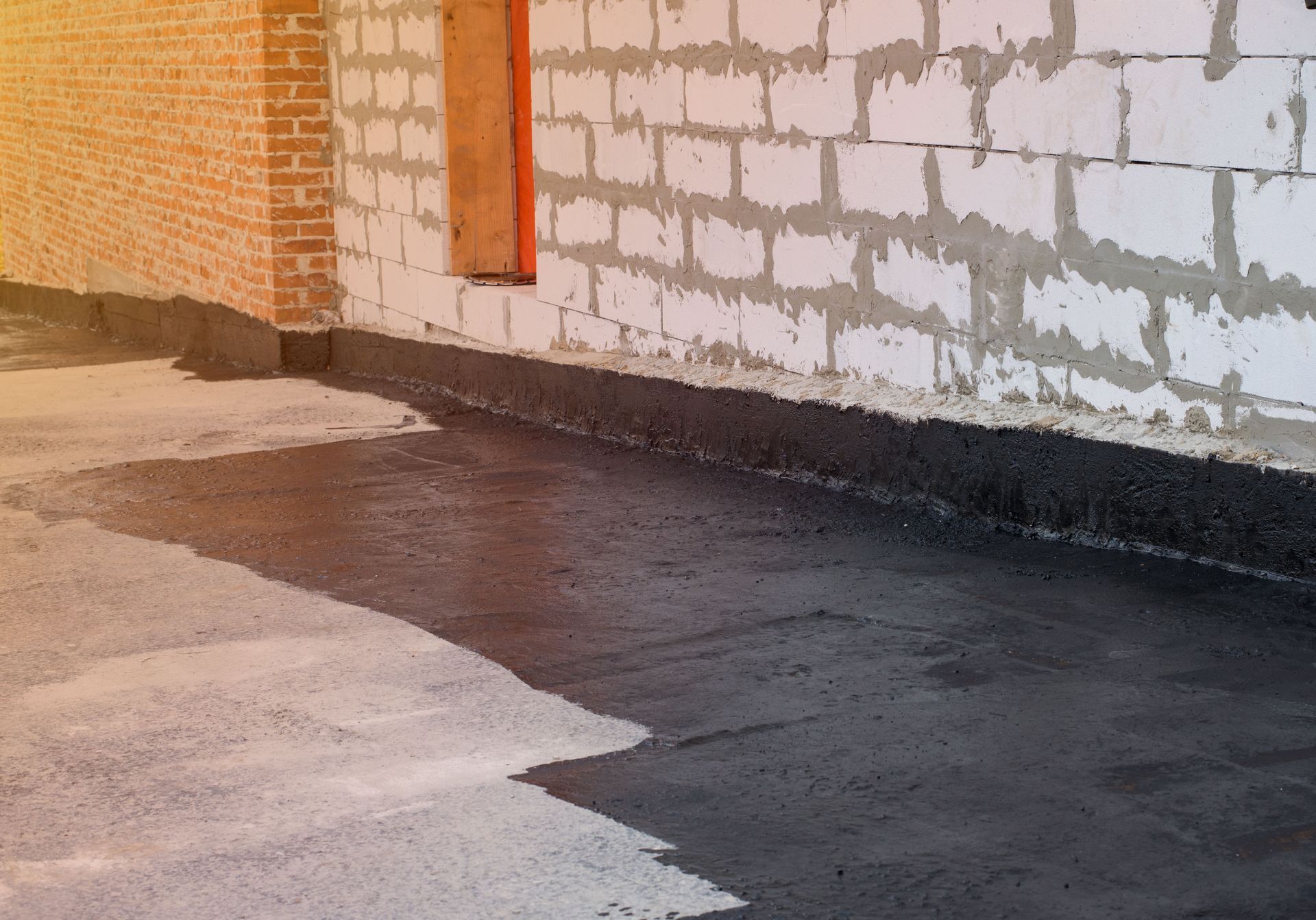
A roofing system must do more than cover a building. It must stand up to moisture, temperature fluctuations, wind exposure, and the everyday stress that comes from seasonal expansion and contraction. Flat roofing supports long-term structural performance because it is designed with layered materials that work together to resist wear and protect the building envelope. Membranes, insulation, sealants, and drainage components are all selected to create a unified barrier against the elements.
Because the surface is less steep, professionals can often inspect and service problem areas more directly than they can on sharply pitched systems. That accessibility helps small issues get addressed before they turn into major failures. Regular inspections, prompt seam repairs, and proper drainage management all extend service life. According to Roofer’s Guild, a typical roof can last anywhere from 25 to 50 years, though the exact lifespan varies greatly based on the type of roof and property. That range highlights why material selection and installation quality matter so much. When a roofing system is matched to the building’s needs, owners are better positioned to get lasting performance from their investment.
Supporting Efficient Use of Building Space
One of the biggest design advantages of flat roofing is how efficiently it uses available space. A flat roof creates a usable upper surface that can accommodate equipment, mechanical systems, solar panels, or other features without dramatically altering the visual profile of the building. For commercial facilities, this can free up valuable ground-level space that would otherwise be used for HVAC units or utility equipment.
This efficient layout also benefits architects and property owners who want a streamlined appearance. A lower-profile roofline can create a cleaner exterior design and help certain buildings feel more contemporary. In dense urban areas, where every square foot matters, maximizing the roof surface can support smarter planning decisions. Even when the roof is used only for access and maintenance, the ability to move more safely across the surface can simplify service work. This is one reason flat roofing continues to appeal to property owners who want a practical design that supports the broader function of the building.
Enhancing Energy Efficiency Across the Property
Energy performance remains a major priority for building owners who want to reduce operating costs and maintain comfortable indoor conditions. Roof design directly affects how heat enters and leaves a structure, making material choice especially important. Flat roofing can support energy efficiency when it includes quality insulation, reflective membranes, and proper sealing that reduces unwanted air leakage.
Many modern systems are designed to reflect sunlight rather than absorb excessive heat. That can help lower cooling demands during warmer months, especially in larger commercial buildings with broad roof surfaces. Effective insulation beneath the membrane also helps stabilize interior temperatures, reducing strain on heating and cooling equipment throughout the year. Over time, these benefits can translate into improved comfort and more predictable utility expenses.
The simplicity of the design can also make it easier to integrate energy-saving features such as rooftop solar arrays or cool-roof coatings. Because the surface is more accessible, installation and maintenance of those additions may be more straightforward. In that way, flat roofing does not only protect the building from above. It also contributes to a more efficient property strategy.
Managing Drainage and Maintenance Proactively
Some property owners assume a flat roof is completely level, but professionally built systems are designed with slight slopes that guide water toward drains, scuppers, or gutters. Proper drainage is essential because standing water can shorten the life of roofing materials and increase the risk of leaks. A well-designed system addresses this issue from the start by controlling how water moves across the surface.
Maintenance is equally important. Debris removal, drain cleaning, membrane inspections, and flashing checks all help keep the system performing as intended. Because the surface is easier to access, these tasks can often be completed more efficiently than on steeper roofs. That convenience encourages a more proactive maintenance routine, which is often the key to preventing expensive damage.
Flat roofing also allows contractors to identify punctures, seam separation, or surface deterioration before those issues affect the interior of the building. Instead of waiting for visible water intrusion, owners can rely on scheduled inspections to catch concerns early. This proactive approach not only protects the roof itself but also helps preserve insulation, ceilings, walls, inventory, and equipment inside the structure.
Accommodating Modern Commercial Design Needs
Modern buildings are expected to do more than provide shelter. They must support technology, meet efficiency goals, and align with functional design standards that evolve over time. Flat roofing works well in that environment because it offers flexibility for changing operational needs. As buildings are updated, roof surfaces may need to support new units, wiring pathways, drainage upgrades, or energy systems. A flatter design often makes those modifications easier to plan and complete.
This adaptability is especially useful for warehouses, retail centers, office buildings, schools, and multifamily properties. Each of these building types may require a roof that can handle equipment access, future retrofits, and ongoing service needs without creating unnecessary complications. The straightforward profile also pairs well with minimalist architecture and contemporary exterior design, making it both functional and visually compatible with current building trends.
For owners thinking in terms of total building performance, the roof should never be viewed in isolation. It is part of a larger system that affects maintenance planning, energy use, tenant comfort, and operational continuity. Flat roofing supports those priorities by offering a design that is practical, serviceable, and adaptable for long-term use.
Protecting Investments Through Professional Installation
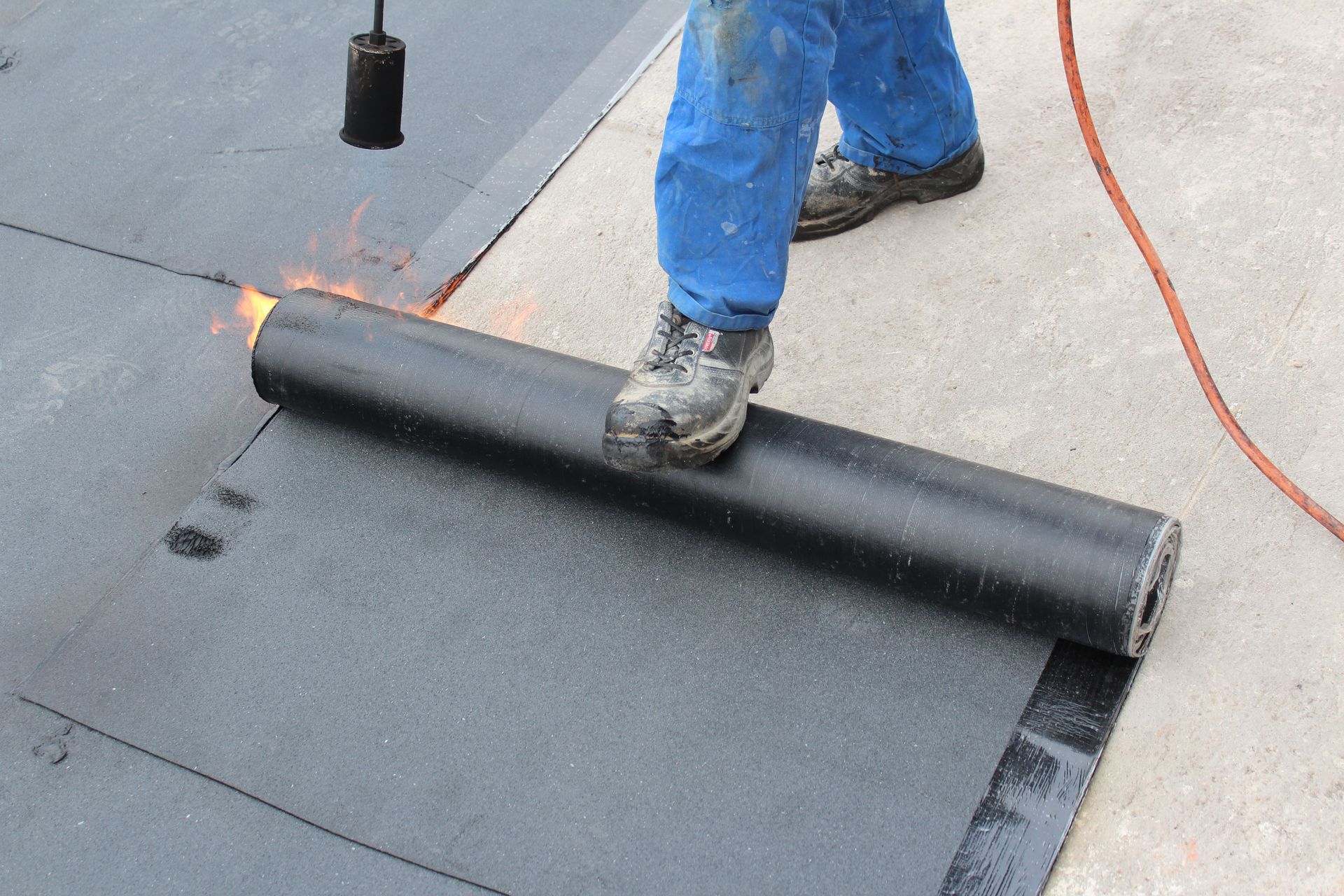
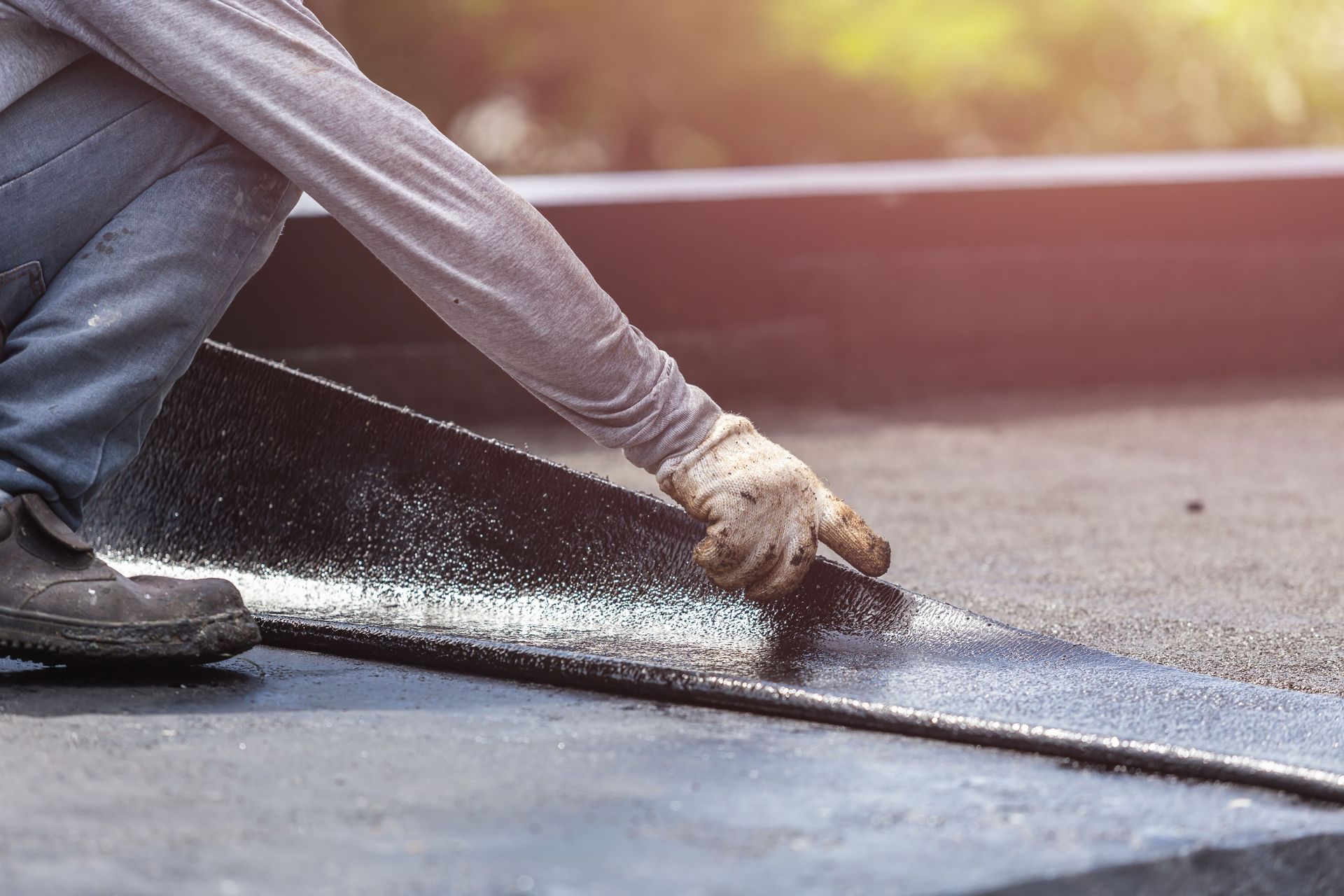
Even the best materials cannot perform well if the roof is installed incorrectly. Professional workmanship is essential to making sure seams are sealed, insulation is placed properly, drainage is directed correctly, and flashing details are secure. These details may seem small during construction, but they have a major effect on how the roof performs years later.
Choosing experienced professionals also helps property owners make informed decisions about materials, maintenance schedules, and repair strategies. Different membranes and system types offer different strengths, and a knowledgeable contractor can recommend the right solution based on building use, climate, and budget. That guidance reduces the risk of avoidable problems and helps ensure the roof supports the overall design of the property.
In the long run, flat roofing delivers the most value when it is treated as a critical building asset rather than an afterthought. With the right installation plan and continued upkeep, it can support durability, efficient building design, and dependable performance. Owners who invest in quality from the start are often better prepared to avoid disruptions, control costs, and protect the structure beneath the roof for years to come. Call Windy City Flat Roof Inc today to schedule your roof repair or installation service.