June 30, 2026
Investing in a commercial or residential low-slope building requires making strategic choices about asset protection. Many property owners assume that any licensed roofing company can successfully manage a flat surface, but this misconception often leads to premature system failure and expensive structural water damage. Low-slope systems require precise engineering, sophisticated thermal welding, and advanced structural calculations to survive decades of intense weather exposure. Hiring generalists instead of dedicated specialists usually guarantees a truncated lifecycle. Choosing specialized flat roof contractors is the single most important decision you can make to ensure your industrial membrane system achieves a full thirty years of reliable performance.
Understanding the Unique Engineering of Low-Slope Systems
Traditional sloped surfaces rely on simple gravity to shed water rapidly over overlapping shingles, meaning installation errors rarely cause immediate catastrophic failure. Low-slope surfaces work on an entirely different scientific principle, operating as a completely sealed, continuous waterproof vessel that must withstand standing water, extreme ultraviolet degradation, and thermal movement. Because rainwater moves slowly across these surfaces, even minor micro-imperfections in the membrane material will eventually create significant structural leaks. According to BCC Research, 94% of roofing projects in North America are roof replacements. This staggering statistic emphasizes how frequently original systems fail due to improper initial design, poor material choices, or inadequate daily maintenance protocols.
Identifying the Risks Associated With Generalist Installers
Residential shingle crews understand how to nail down architectural components sequentially, but they rarely possess the training required to manipulate delicate commercial polymers. When generalists attempt to execute low-slope installations, they frequently treat the project like a standard sloped surface, ignoring critical chemical interactions and moisture dynamics. General crews often lack the expensive, calibrated hot-air welding equipment needed to securely bond modern thermoplastic sheets together permanently. Their lack of daily familiarity with specialized materials introduces thousands of microscopic vulnerabilities across your commercial building. Entrusting your major capital investment to standard crews practically guarantees you will join that ninety-four percent replacement statistic far ahead of schedule.
Examining the Precision Needed for Membrane Seaming
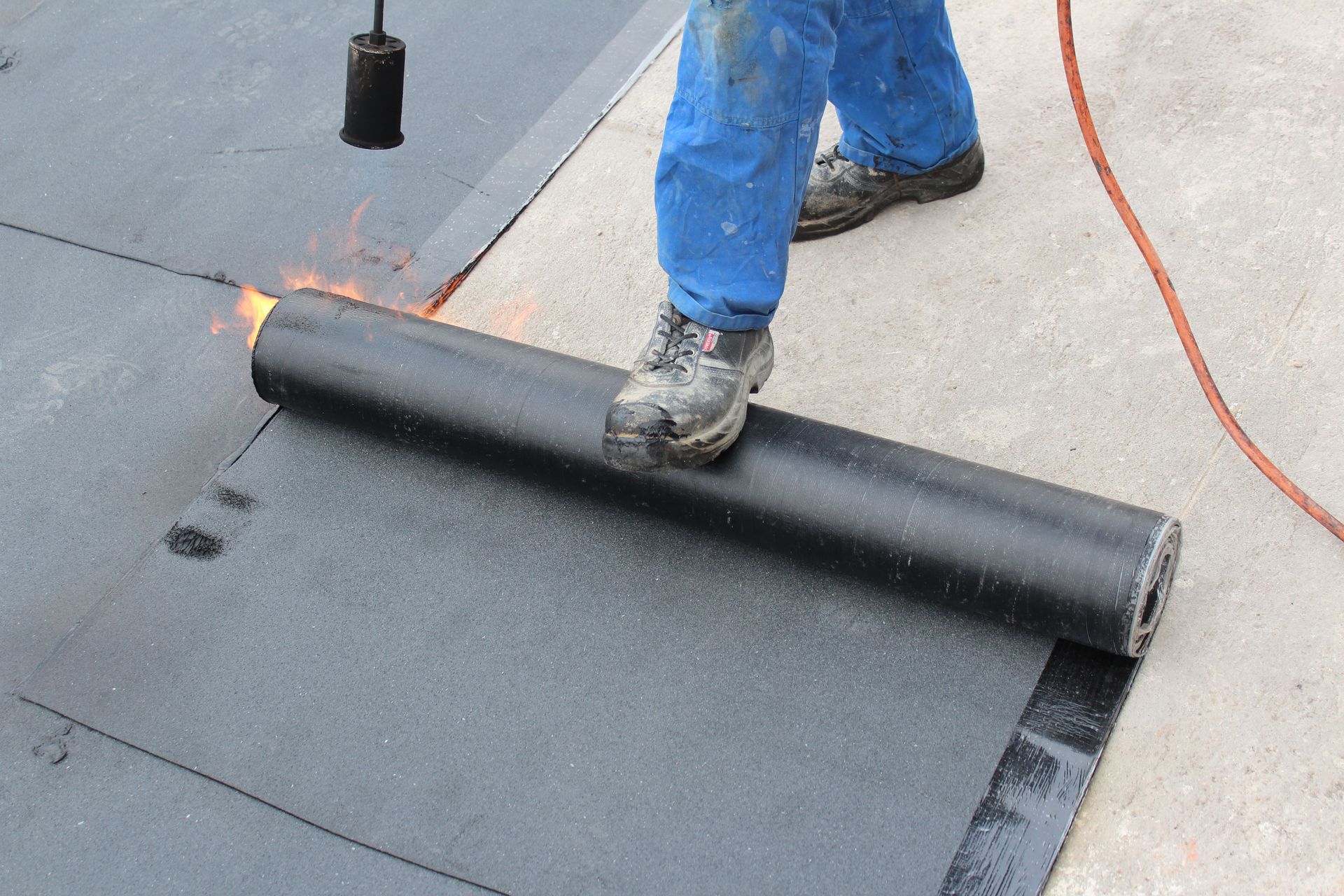
The longevity of a modern single-ply system depends entirely on the absolute molecular integrity of its horizontal and vertical seams. Certified flat roof contractors utilize automatic heat-welding machines that precisely regulate temperature, speed, and pressure to fuse separate sheets into a singular monolithic barrier. If the ambient temperature fluctuates by just a few degrees, the installer must manually recalibrate the machinery to prevent weak, cold welds or scorched, brittle polymers. General contractors often rely on simple adhesive tapes or liquid glues, which inevitably degrade after a decade of severe seasonal temperature changes. Professional specialists perform daily destructive pull tests on scrap material to confirm their welds are structurally stronger than the membrane itself.
Managing Complex Standing Water and Drainage Infrastructure
Water does not flow effortlessly off a flat structure; it must be deliberately guided toward engineered interior drains, external scuppers, and perimeter gutters. Professional flat roof contractors possess the mathematical expertise required to evaluate structural deflection and design custom tapered insulation layouts that establish positive drainage. Without these precise slope calculations, heavy rainwater will accumulate in large puddles, creating immense physical stress and accelerating chemical breakdown. Standing water creates a magnifying glass effect under direct sunlight, concentrating the underlying membrane and rapidly destroying its factory UV-resistant outer coatings. Specialists eliminate this hazard by ensuring your structure completely sheds water within forty-eight hours of a storm.
Insulating Structural Decks for Optimal Thermal Regulation
Energy efficiency and condensation control are deeply intertwined with the overall physical health of low-slope commercial building designs. Specialized flat roof contractors understand how to calculate precise R-value targets and arrange multiple staggered layers of polyisocyanurate insulation boards correctly. This careful configuration prevents thermal bridging, an unwanted phenomenon where heat escapes through structural gaps and creates destructive internal condensation beneath the membrane. When moisture becomes trapped inside the insulation layer, it rots the structural decking from within and causes massive vapor blisters. Specialists use advanced vapor retarders and specific fastening patterns to secure the insulation layer tightly against intense wind uplift forces.
Evaluating Advanced Single-Ply Materials Like TPO and EPDM
Selecting the ideal chemical compound for your specific geographic climate requires comprehensive technical knowledge of modern commercial polymer engineering. Ethylene Propylene Diene Monomer is a highly durable synthetic rubber, while Thermoplastic Polyolefin offers exceptional heat-reflective properties and superior chemical resistance. Experienced flat roof contractors analyze your building's microclimate, chemical exposure from exhaust fans, and structural load capacity before recommending a specific material. They understand that a restaurant kitchen requires oil-resistant PVC, whereas a standard warehouse might perform best utilizing a thick, white TPO membrane. Selecting the wrong chemical composition ensures premature material degradation, regardless of how neatly the seams were originally welded.
Executing Flashing Around Critical Roof Penetrations
The vast majority of structural leaks do not occur in the open center fields but around air conditioning curbs, plumbing vents, and parapet walls. Sealing these complex three-dimensional transitions requires incredible manual dexterity, specialized termination bars, and premium polyurethane sealants applied in exact configurations. General builders often use cheap plastic boots or generic caulking that quickly cracks under daily building expansion and contraction cycles. Dedicated flat roof contractors custom-fabricate reinforced membrane skirts and weld them directly to the main field sheets for a permanent bond. This meticulous craftsmanship ensures that every vertical pipe penetration remains completely watertight as the building naturally shifts over the decades.
Preventing Destructive Blistering and Trapped Vapor Traps
When a low-slope system is installed over a damp substrate, trapped moisture expands rapidly into gas under intense summer sunshine. This expanding water vapor exerts immense upward pressure, creating large surface blisters that easily separate the membrane from its underlying insulation. Qualified flat roof contractors utilize advanced nuclear moisture scanners and electronic impedance meters to verify that the existing substrate is completely dry before laying materials. They never rush an installation following rain, knowing that burying microscopic amounts of water dooms the system to early failure. Their adherence to strict moisture testing protocols prevents internal delamination and keeps the membrane flat against the deck.
Implementing Proactive Maintenance Programs for Maximum Longevity
Reaching a true thirty-year operational lifespan requires consistent post-installation care and biannual professional structural inspections by certified industry experts. Reputable flat roofers provide comprehensive preventive maintenance programs that catch minor issues before they become major internal structural emergencies. These scheduled visits include clearing debris from clogged scuppers, checking perimeter metal edge flashing, and resealing pitch pockets around electrical conduits. Documented professional inspections also keep your manufacturer's material warranty fully active, protecting your wallet if a rare material defect occurs. Investing in consistent expert maintenance extends the life of one of your biggest assets and delays costly replacement expenses significantly.
Many property owners select the lowest generic bidding offer, failing to realize that cheap low-slope installations cost far more over time. Investing in specialized flat roofers minimizes expensive emergency repair callouts, reduces disruptive interior water damage, and lowers monthly building utility expenditures. A premium, expertly installed cool roof membrane reflects up to eighty percent of solar radiation, significantly reducing your facility's cooling costs. When you calculate the total cost of ownership over three decades, a specialized installation proves significantly cheaper than buying two cheap generalist roofs. Choosing specialization safeguards your commercial property, maximizes your initial capital investment, and provides absolute peace of mind. Are you seeking professional flat roof contractors in the Chicago, IL area? Look no further than the experts at Windy City Flat Roof! Call today for more information on your next flat roofing project.