August 28, 2026
The architectural landscape has witnessed a significant shift with the increasing adoption of flat roofing systems. Historically preferred for industrial and commercial buildings, flat roofs have found their way into homes and smaller businesses, gaining popularity for their modern aesthetic and functional benefits. This growing trend in contemporary architecture is not just a stylistic choice but also a practical one, offering various advantages that traditional pitched roofs might not provide. Flat roofing systems are increasingly hailed for their cost efficiency, space optimization, enhanced durability, and improved energy efficiency. As modern building design continuously evolves, understanding the key benefits of flat roofing systems becomes essential for architects, builders, and homeowners alike.
Installing Cost-Effective Roofing Systems
Flat roofing systems are often favored for their affordability compared to pitched roofs, primarily due to reduced complexity in design and construction. Simplified structures require fewer raw materials and significantly less labor, making them a budget-friendly choice for new constructions and full-scale renovations alike. The installation process is substantially faster, further lowering overall project labor expenses while keeping material costs predictable across various property configurations. This immediate affordability allows building owners to reallocate financial resources toward high-value interior finishings or structural upgrades.
Low maintenance requirements provide significant long-term financial savings for property owners. The easy accessibility of flat surfaces makes routine inspection, clearing, and minor servicing safer and more manageable, often requiring fewer specialized resources than maintaining a steep pitched roof. Regular upkeep, such as clearing drainage systems, re-sealing flashing, and checking for membrane wear, can be conducted quickly with minimal professional intervention. Over decades of operation, these reduced labor demands prevent minor wear from turning into major expenses.
High-performance materials like ethylene propylene diene monomer (EPDM), thermoplastic polyolefin (TPO), and polyvinyl chloride (PVC) extend the operational lifespan of these structures. These robust synthetic materials offer exceptional resistance to harmful UV rays, temperature fluctuations, chemical exposure, and severe weather damage. Investing in quality membrane components drastically reduces the overall risk of leaks and underlying structural rot over time, providing substantial returns through reduced repair bills and potential tax credits for certified energy-efficient upgrades.
Optimizing Available Building Space
Flat roofs offer an invaluable opportunity to maximize usable area, transforming what would typically be an underutilized overhead space into a versatile, functional extension of a building. This additional surface can be adapted for rooftop leisure terraces, lush urban gardens, or extensive solar panel arrays. Capitalizing on this footprint expands overall functional space without expanding the building's ground-level footprint or sacrificing valuable yard space.
The compact and streamlined profile of flat roofing systems makes them particularly advantageous in densely populated urban environments where real estate commands a high premium. Unlike pitched structures that require significant vertical clearance for slope, flat designs allow for seamless story additions or vertical structural expansions. Property developers can optimize internal volume and exterior space usage while strictly adhering to municipal height limits, zoning constraints, and modern urban planning principles.
The overall design flexibility supports a wide range of creative, architectural, and commercial applications. Beyond private residential leisure spaces, commercial venues frequently utilize rooftop spaces to offer patrons elevated dining, open-air entertainment, or relaxation environments that set them apart from competitors. Furthermore, these surfaces are uniquely suited for green roof installations, which incorporate living vegetation layers to effectively manage heavy stormwater runoff, mitigate regional urban heat island effects, improve structural insulation, and foster local biodiversity.
Ensuring Long-Term Structural Durability
Modern flat roofing systems are engineered to endure harsh environmental conditions thanks to continuous advancements in chemical engineering and material technology. Reinforced elastomeric membranes, heat-welded seams, and specialized protective coatings provide robust barriers against standing moisture, hurricane-force winds, and intense solar exposure. Their resilient properties keep underlying structures secure and bone-dry, maintaining structural integrity through freezing winters, scorching summers, and sudden storm events.
Innovative engineering techniques allow flat roofs to support significant load-bearing requirements, such as heavy commercial HVAC units, extensive green roof media, or dense solar power hardware. According to This Old House, the average U.S. roofing business has at least three employees, offering the dedicated technical expertise needed to construct, reinforce, and maintain these specialized structural setups to strict building safety codes. This focused human expertise ensures that structural loads are calculated accurately to prevent sagging or long-term stress.
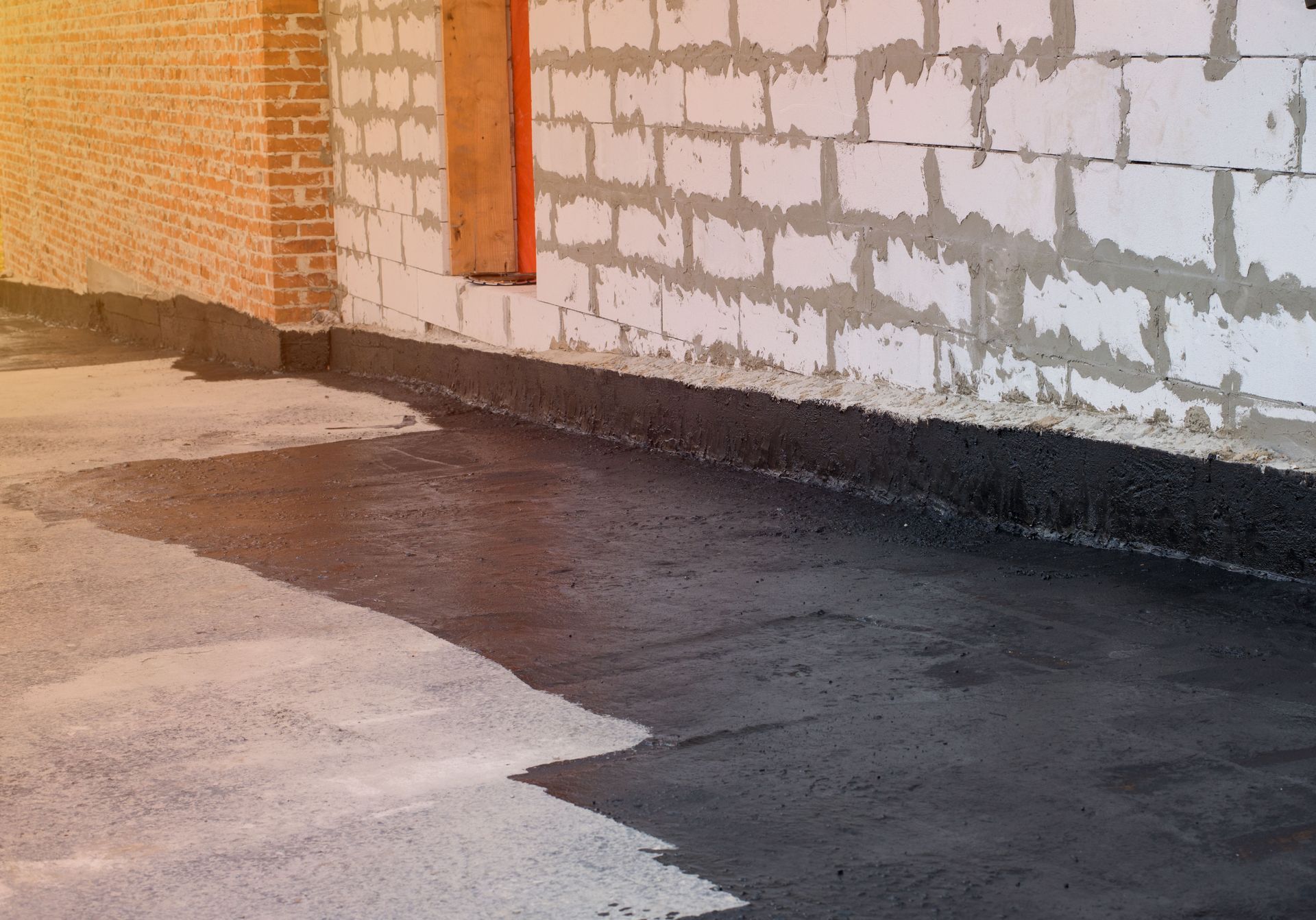
State-of-the-art waterproofing materials like rubberized asphalt, modified bitumen, and thermoplastic polymers create impermeable monolithic barriers that effectively prevent moisture intrusion. Combined with minimal loose components such as individual shingles that can blow off during high winds, flat roofs experience far lower rates of surface wear and reduced storm damage risks. Extensive manufacturer warranties further reinforce property owner confidence by backing long-term material performance and waterproofing integrity against premature degradation.
Improving Overall Energy Efficiency
The implementation of cool roofing materials is a primary driver of superior thermal performance in flat designs. Highly reflective membranes and specialized elastomeric coatings absorb far less sunlight, significantly reducing the solar heat gain and cooling load placed on a building during hot summer months. By lowering internal heat retention, these smart materials maintain consistent, comfortable interior temperatures while drastically cutting air conditioning operational costs and reducing strain on grid infrastructure.
Flat designs allow for the seamless integration of thicker, continuous insulation boards across the entire building envelope without cold-bridging gaps. Advanced thermal insulation limits unwanted heat transfer in both winter and summer, allowing indoor climate systems to operate at peak efficiency throughout the year without excessive energy draw. Optimized, unobstructed placement of external air handlers and compressor units on flat surfaces further reduces air distribution resistance and ductwork lengths within the building.
Sustainable construction practices are readily supported by flat roofing systems through the easy integration of renewable energy technologies, light-reflecting materials, and eco-friendly manufacturing components. These sustainable design features actively contribute to achieving Leadership in Energy and Environmental Design (LEED) certification credits, boosting property market value, attracting eco-conscious commercial tenants, and significantly lowering long-term operational carbon emissions for the life of the property.
Streamlining Modern Installation Processes
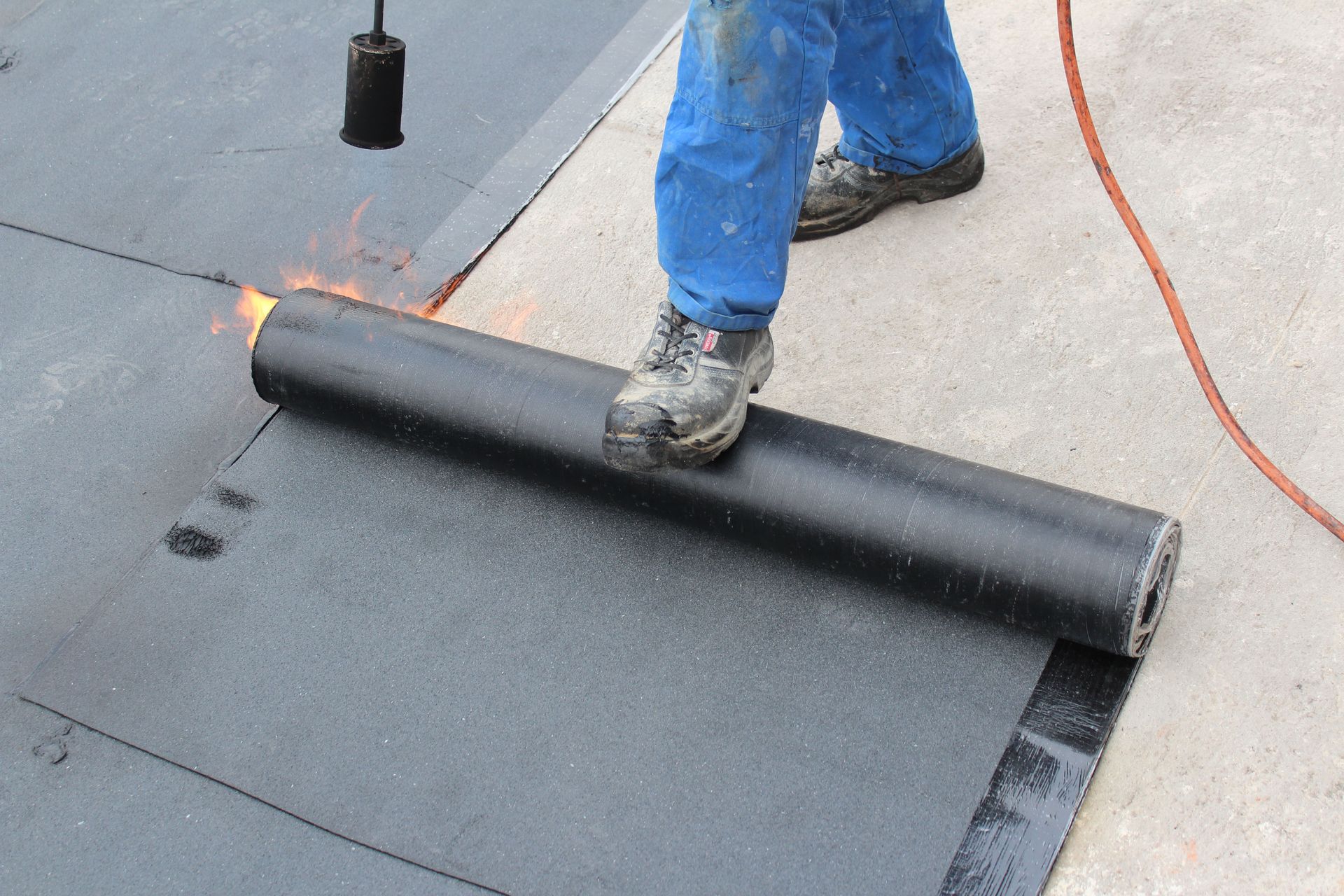
The installation of flat roofing systems follows a highly streamlined process that saves valuable time, safety risks, and labor resources on the job site. Straightforward structural geometry reduces initial framing and sheeting assembly complexity, enabling installation crews to complete large-scale projects much faster than sloped alternatives. Rapid deployment minimizes overall project downtime, reduces weather exposure risks during buildout, and controls labor overhead costs.
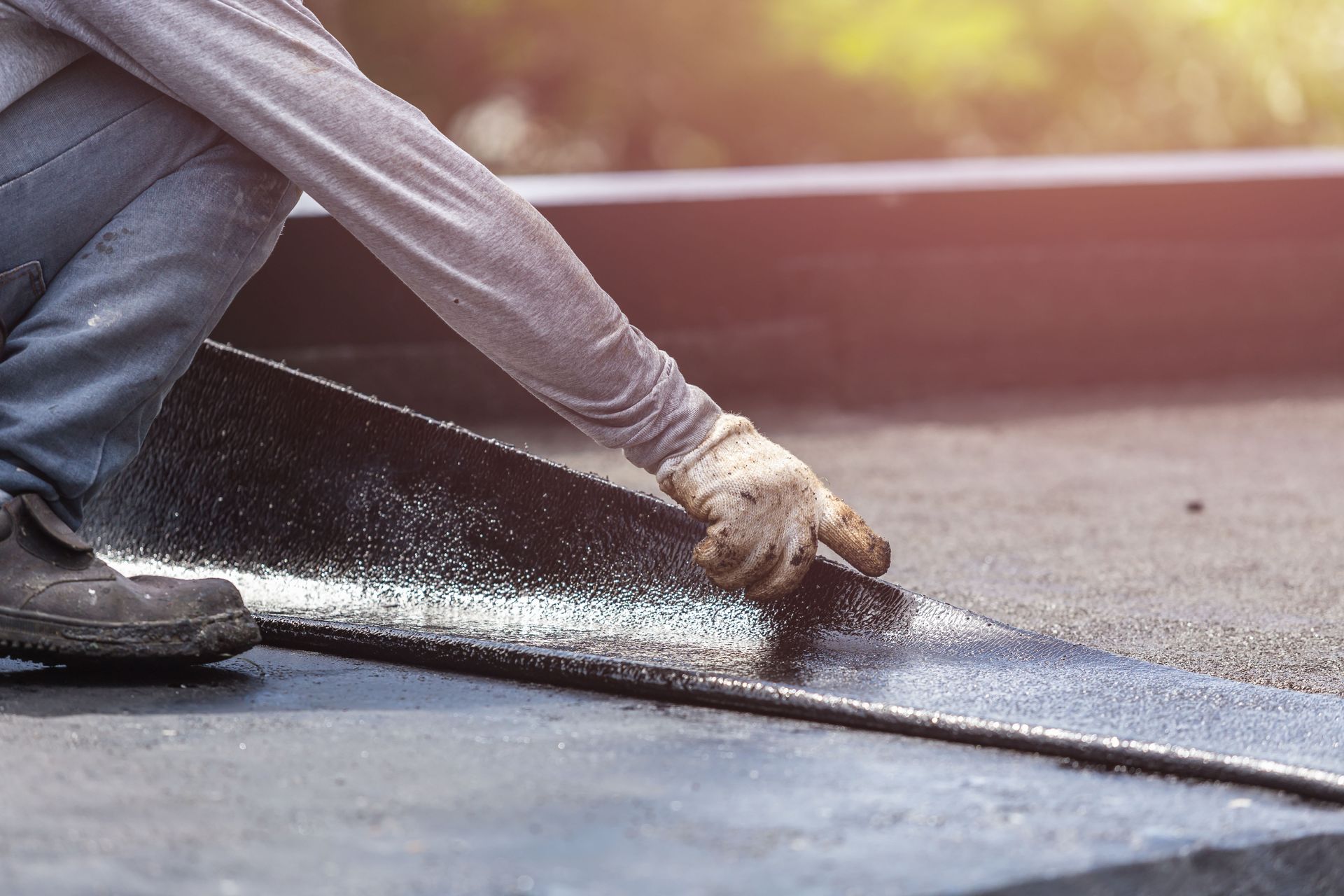
Simplified construction requirements lead to far fewer operational disruptions for nearby occupants, traffic, or ongoing commercial activities. Less heavy machinery, specialized hoisting equipment, and extensive perimeter scaffolding are required on-site, providing a safer, less invasive construction footprint. Additionally, the widespread use of prefabricated, factory-controlled components ensures exceptional seam precision and consistent material quality upon final field assembly, reducing human error during critical waterproofing phases.
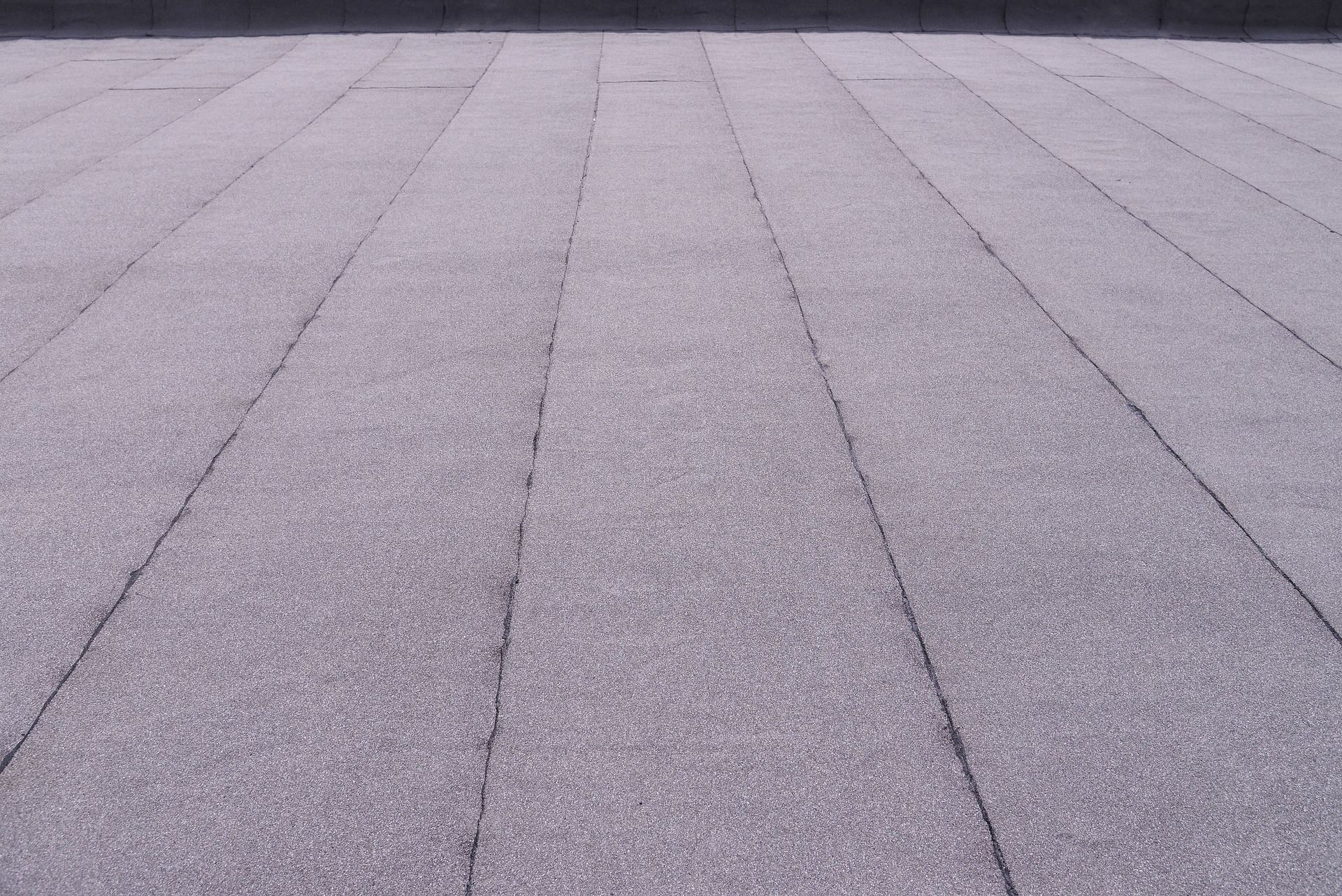
Standardized membrane rolls, mechanical fasteners, and simple geometric profiles streamline procurement and project planning phases across large-scale developments. Property owners benefit from a broad network of experienced contractors thoroughly skilled in flat roofing techniques, ensuring high-quality execution within target schedules and strict budget limits. This widespread industry familiarity ensures reliable ongoing support and competitive service pricing over the long haul.
Flat roofing systems present a compelling combination of affordability, space versatility, durability, energy efficiency, and rapid installation for modern structures. Whether optimizing urban real estate, installing eco-friendly systems, or minimizing lifetime maintenance costs, flat designs provide reliable solutions for property owners. Working with qualified installation professionals ensures these structures deliver maximum utility, safety, and economic value for years to come. For more information about the services that we offer, reach out to our incredible team at Windy City Flat Roof today!